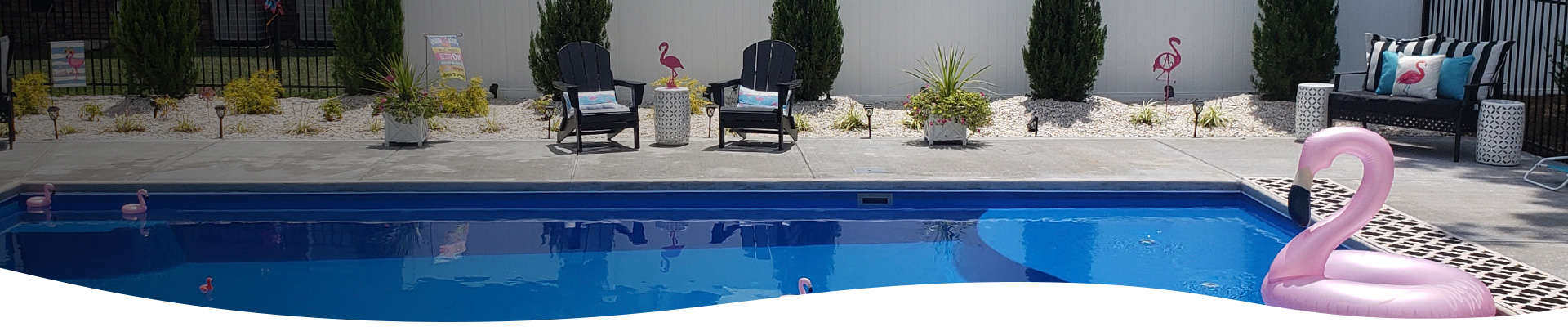

When planning a new pool, where it sits in your yard matters just as much as the design itself. Pool placement directly affects privacy, sun exposure, comfort, and how much enjoyment you get over time. A thoughtfully placed pool becomes easier to maintain, more inviting to use, and more appealing to future buyers.
This guide explains how yard orientation, neighboring homes, fencing, landscaping, and sun patterns should influence pool placement decisions and why those choices matter long after installation.
Why Pool Placement Matters More Than Homeowners Expect
Pool placement is not just about fitting a pool into available space. It shapes how the pool functions day to day and how it feels as part of your home.
Smart placement helps homeowners:
- Maintain comfortable water temperatures naturally
- Reduce visibility from neighbors
- Improve safety and accessibility
- Create a backyard that feels intentional and balanced
When placement is rushed or treated as an afterthought, the pool may look great but feel inconvenient or underused.
Yard Orientation and Sun Exposure
The direction your yard faces plays a major role in how much sunlight your pool receives throughout the day. Sun exposure impacts both comfort and maintenance.
Pools with consistent sunlight tend to stay warmer and are more inviting without relying heavily on heaters. Shaded pools often require more attention to water chemistry and can feel cooler even during warmer months.
Homeowners should observe:
- Where sunlight falls in the morning and afternoon
- How seasonal changes affect shade
- Whether nearby structures block light at peak swim times
Understanding these patterns helps ensure the pool stays comfortable and usable for longer portions of the year.
Privacy and Neighboring Homes
Privacy is one of the most important yet overlooked aspects of pool placement. A pool that feels exposed can limit how often it is used.
Key privacy considerations include:
- Sightlines from neighboring windows or elevated homes
- Fence placement and height
- Opportunities for natural screening through landscaping
Strategic placement combined with thoughtful fencing and greenery can create a secluded retreat without sacrificing sunlight or airflow.
Landscaping and Existing Features
Trees, patios, slopes, and utilities all influence where a pool should be placed. While mature trees can offer shade and visual appeal, they may also introduce debris and root concerns.
Placing the pool too close to trees can increase cleaning time, while positioning it too far from patios or seating areas can reduce usability. A balanced layout connects the pool naturally to outdoor living spaces while minimizing long term maintenance issues.
Comfort and Everyday Use
A pool should feel easy to access and enjoyable at any time of day. Proper placement improves comfort by:
- Keeping the pool visible from main living areas
- Reducing wind exposure
- Allowing space for lounging and entertaining
When a pool is well positioned, it becomes part of daily life rather than a feature used only occasionally.
Pool Placement and Resale Value
Future buyers pay attention to how a pool fits within the backyard. Pools that feel private, receive good sunlight, and integrate seamlessly into outdoor living areas tend to add more appeal.
Poorly placed pools can feel intrusive or impractical, which may reduce buyer interest. Thoughtful placement protects both current enjoyment and long term value.
How Parrot Bay Pools and Spas Approaches Pool Placement
At Parrot Bay Pools and Spas, pool placement is treated as a design decision, not a technical step. Each project begins with evaluating sun exposure, privacy needs, yard layout, and how homeowners plan to use their space.
This approach ensures every pool is positioned to support comfort, functionality, and long term enjoyment.
Frequently Asked Questions About Pool Placement
How close can a pool be to my house or property line?
Setback requirements vary by municipality and homeowner association guidelines. Most areas require a minimum distance from property lines, structures, and septic systems, which is why placement planning should begin early.
Is full sun always better for a pool?
Not always. While sunlight helps warm the water, some homeowners prefer partial shade during peak afternoon hours. The best placement balances sun exposure with comfort based on how the pool will be used.
How can privacy be improved around a pool?
Privacy can be enhanced through fencing, landscaping such as hedges or trees, pergolas, privacy walls, and thoughtful orientation that limits visibility from neighboring homes.
Do trees near a pool cause issues?
Trees can provide shade and visual appeal but may increase debris, maintenance needs, and potential root intrusion. Placement should consider tree type, root systems, and seasonal leaf drop.
Does pool placement affect maintenance?
Yes. Pools placed near heavy shade or vegetation often require more cleaning and chemical adjustments. Strategic placement can reduce debris and simplify upkeep.
Can pool placement impact resale value?
Absolutely. Buyers are more attracted to pools that feel private, receive good sunlight, and integrate naturally into the backyard. Poor placement can limit appeal and perceived value.
Who helps determine the best pool placement?
Experienced pool designers evaluate sun patterns, privacy concerns, grading, and local regulations. Professional guidance ensures the pool is positioned for long term enjoyment and compliance.
Start Planning with Confidence
Pool placement affects how your pool looks, feels, and functions for years to come. The right location brings comfort, privacy, and lasting value to your backyard.
Contact Parrot Bay Pools and Spas to schedule a consultation and start planning a pool that fits your space and your lifestyle.