Even though your pool is closed for the season, winter is not a “set it and forget it” time. A few small oversights now can turn into expensive repairs when you reopen in the spring.
The good news? Winter pool care doesn’t have to be complicated. With just a few simple checks, homeowners can prevent damage, protect equipment, and keep their pool in great shape for next season.
Here are the five most common winter mistakes, and how to avoid them.
1. Letting the Water Level Drop Too Low
A low water level may seem harmless, but it can actually create major problems:
- Added pressure on the pool walls
- Exposed surfaces that can crack in freezing temps
- Cover sagging or tearing
Homeowner Tip:
Do a quick check a couple times during winter and top off the water if it dips below the recommended level.
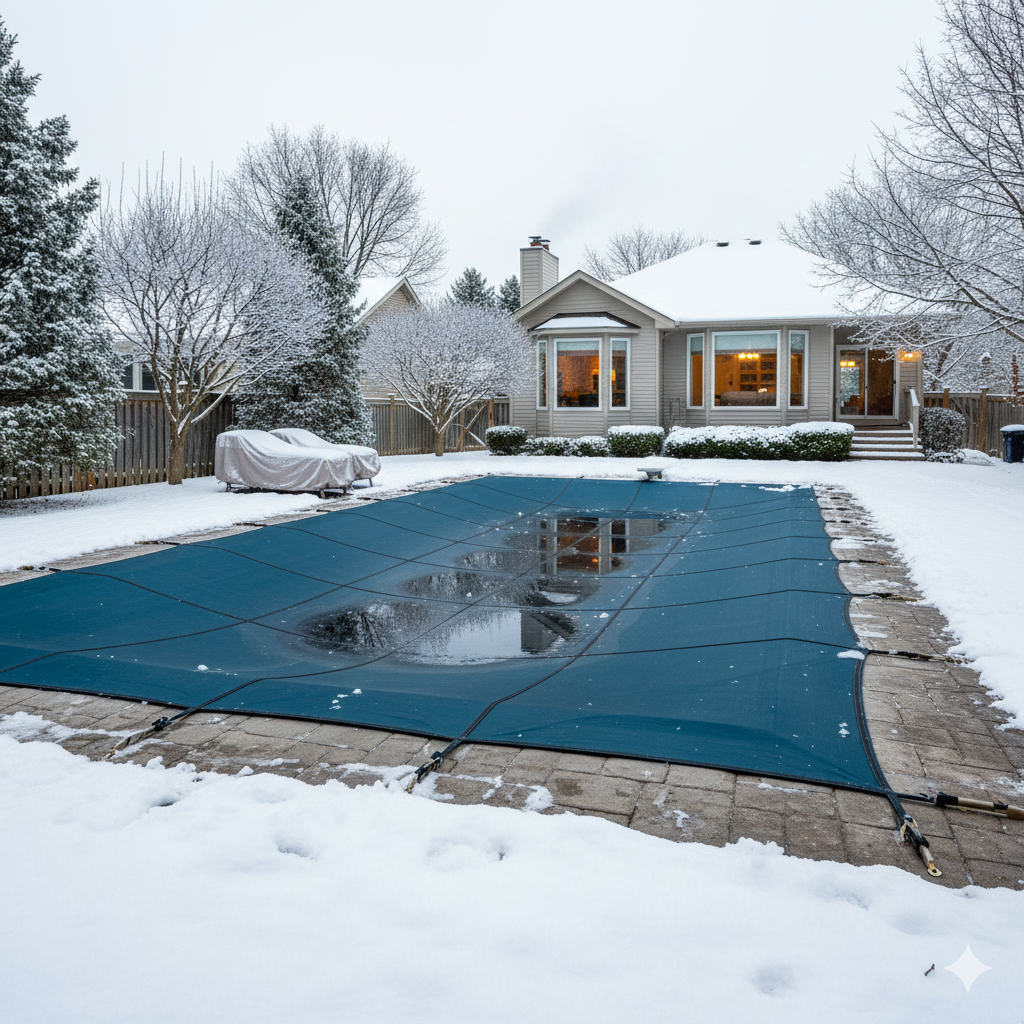
2. Ignoring Pool Cover Tension
A loose or sagging winter cover can lead to:
- Tears or stretching
- Excess debris buildup
- Safety hazards
- Water pockets that freeze and weigh down the cover
Homeowner Tip:
Make sure your cover is tight and supported. If you notice sagging, adjust straps or remove heavy debris after storms.
3. Skipping Mid-Winter Chemical Balance Checks
Even when your pool is closed, the water still needs basic balance to avoid:
- Algae growth under the cover
- Staining
- Etching or corrosion
- Strong odors when reopening
Homeowner Tip:
Check your chemistry once or twice during the winter. A little attention now prevents big cleanup later.
4. Forgetting About Your Equipment Pad
Your pump, filter, and heater are still vulnerable during cold weather. Freezing temperatures can cause:
- Cracked plumbing
- Damaged pump housings
- Leaks when you reopen
Homeowner Tip:
Make sure equipment is winterized properly and check the pad occasionally for leaks, critter nests, or ice buildup.
5. Not Keeping an Eye on Drainage Around the Pool
Water needs to move away from your pool, especially during freeze-thaw cycles.
Poor drainage can lead to:
- Soft soil around the pool
- Structural pressure
- Washouts
- Damage to surrounding decking
Homeowner Tip:
Watch for standing water after heavy rain. If water pools in the same areas consistently, that’s worth addressing before spring.
When Should You Call a Professional?
While most winter maintenance is simple, call a pro if you notice:
- Persistent water loss
- Cover damage you can’t safely fix
- Ice forming around equipment
- Cracks or shifting in decking
- Electrical concerns with pumps or heaters
Getting help sooner, not later, can save you from springtime surprises.
Keep Your Pool Protected All Winter Long
A few quick homeowner checks during the winter can protect your pool, your equipment, and your spring budget.
If you need a winter equipment inspection, early repair scheduling, or guidance on prepping for next season, Parrot Bay Pools is here to help.
Stay ahead of damage, and keep your pool healthy until opening day.